
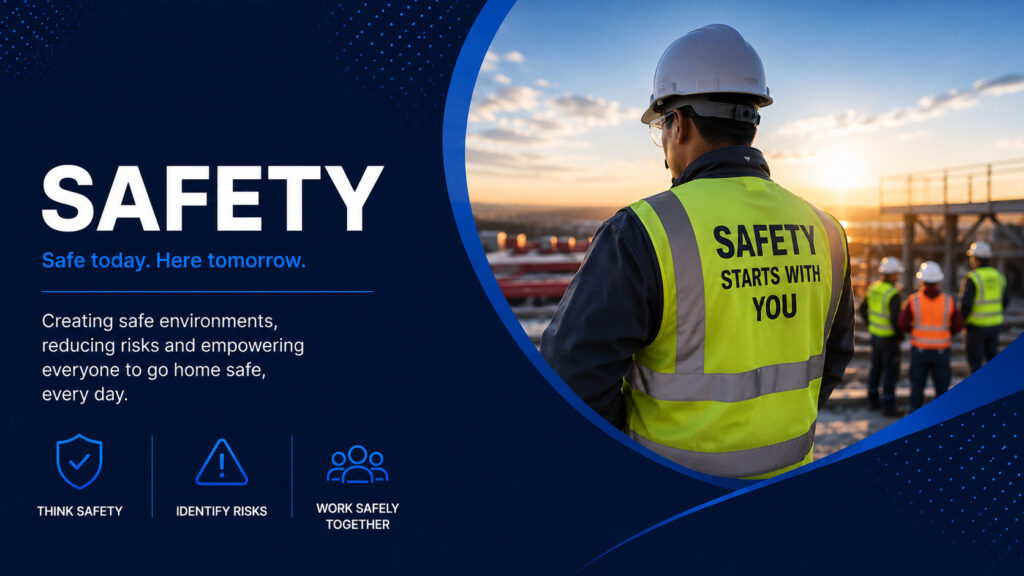
Workplace Safety
Workplace safety is the process of identifying hazards, assessing risks and implementing controls to prevent injury, illness and harm. Effective safety management protects workers, supports legal compliance and helps organisations create productive and sustainable workplaces.
Regardless of industry, every workplace presents hazards that have the potential to cause harm. From construction sites and manufacturing facilities to offices and healthcare environments, organisations have a responsibility to provide safe systems of work and maintain safe working conditions.
A proactive approach to workplace safety helps prevent incidents before they occur, reduces operational disruptions and contributes to a positive workplace culture where safety is valued by everyone.
ON THIS PAGE
Workplace safety focuses on identifying hazards, managing risks and implementing effective controls to protect workers and create safer working environments.
What is Workplace Safety?
Workplace safety refers to the measures, systems and practices used to protect workers and others from harm arising from workplace activities.
Effective safety management involves identifying hazards, assessing risks and implementing appropriate controls to eliminate or minimise potential harm.
Workplace safety is not limited to compliance with legislation. It requires ongoing commitment, leadership, worker participation and continuous improvement to ensure risks are effectively managed and safety remains a priority.
Why Workplace Safety is Important
Every worker has the right to return home safely at the end of the day.
Poor safety management can result in injuries, fatalities, property damage, lost productivity, legal action and significant financial costs.
Strong workplace safety practices help organisations:
- Prevent injuries and incidents
- Protect workers and visitors
- Meet legal obligations
- Reduce workers’ compensation costs
- Improve productivity and efficiency
- Strengthen workplace culture
- Enhance organisational reputation
Safety is not simply about compliance; it is about protecting people and creating workplaces where everyone can perform their duties confidently and safely.
Hazard Identification
Hazard identification is the foundation of effective safety management.
A hazard is anything that has the potential to cause injury, illness or harm.
Common workplace hazards include:
- Working at heights
- Mobile plant and vehicles
- Electrical hazards
- Hazardous chemicals
- Manual handling activities
- Noise exposure
- Confined spaces
- Slips, trips and falls
- Moving machinery
- Falling objects
- Fire and explosion hazards
- Psychosocial hazards
Identifying hazards early allows organisations to implement controls before incidents occur.
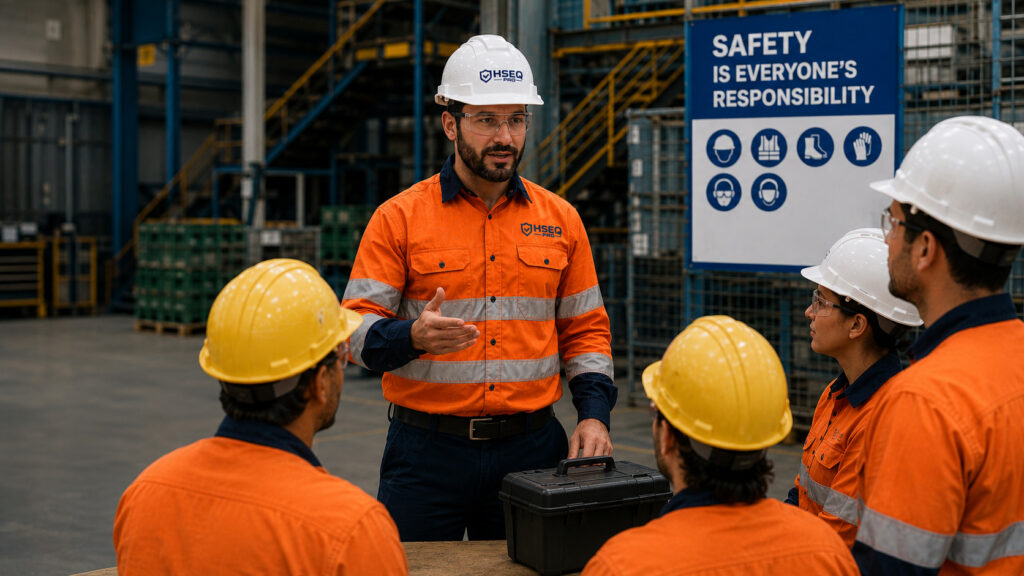
Safety Is Everyone’s Responsibility.
Risk Management
Risk management is the process of identifying hazards, assessing the level of risk and implementing appropriate control measures.
Effective risk management helps organisations understand:
- What could go wrong
- How serious the consequences could be
- How likely an incident is to occur
- What controls are required
Risk assessments provide a structured approach to evaluating workplace hazards and determining the most effective controls.
Regular review of risks ensures controls remain effective as workplace conditions change.
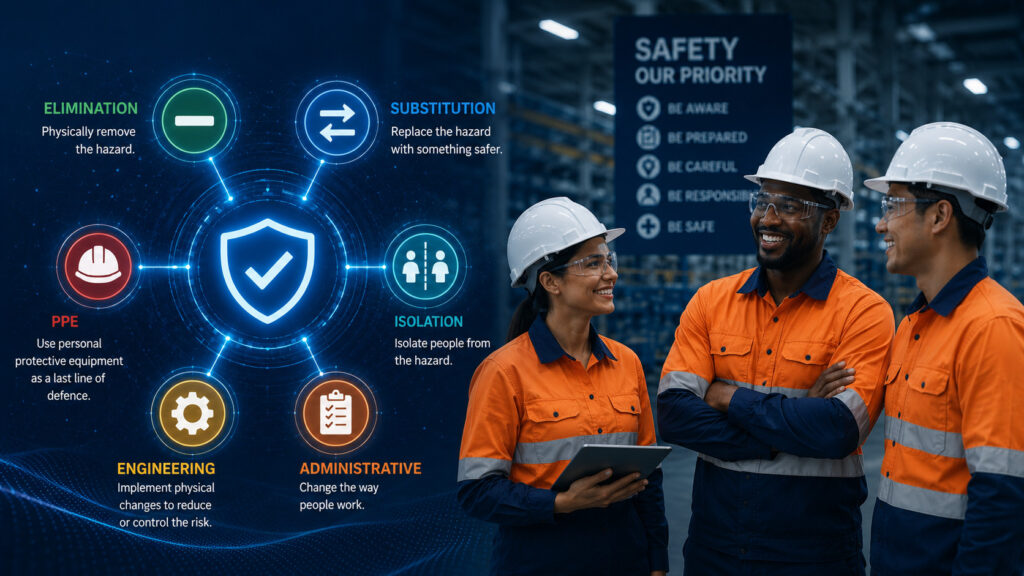
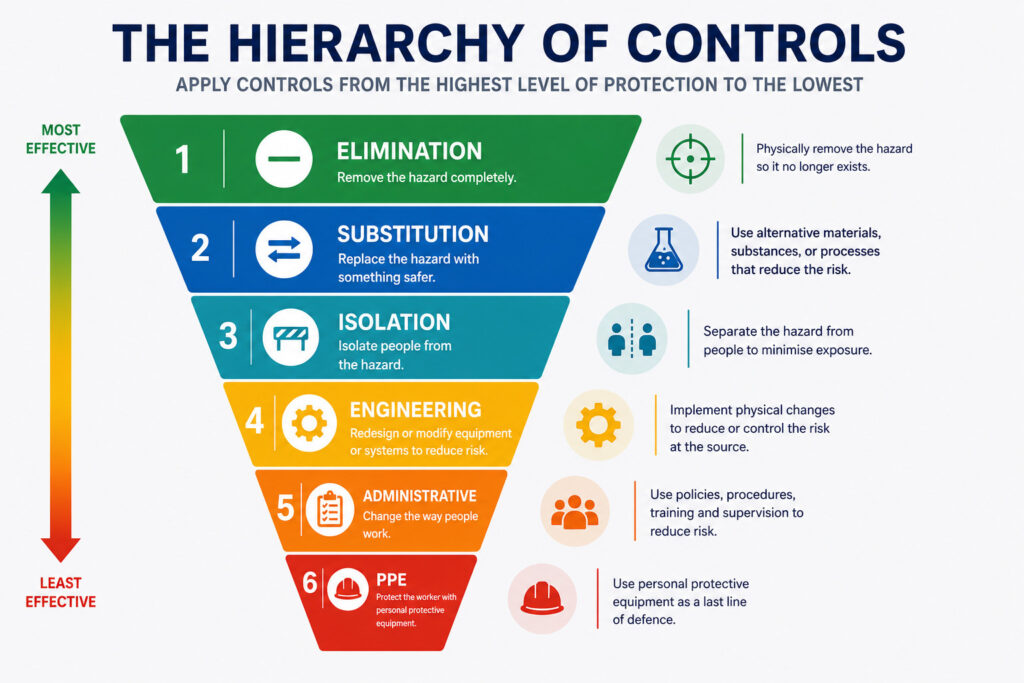
The Hierarchy of Control
The hierarchy of control is a recognised framework used to manage workplace risks.
Controls should be implemented in the following order:
- Elimination – Remove the hazard completely.
- Substitution – Replace the hazard with a safer alternative.
- Isolation – Separate people from the hazard.
- Engineering Controls – Modify equipment or processes.
- Administrative Controls – Procedures, training and supervision.
- Personal Protective Equipment (PPE) – The last line of defence.
The most effective controls eliminate hazards at their source rather than relying solely on worker behaviour.
Safe Work Procedures
Safe work procedures provide clear instructions on how tasks should be performed safely.
These procedures help workers understand:
- Workplace hazards
- Required controls
- Safe work methods
- Emergency requirements
- PPE requirements
Documented procedures promote consistency and help ensure safety requirements are followed across the organisation.
Safety Leadership and Culture
Strong leadership is essential for creating a positive safety culture.
Leaders influence workplace attitudes, behaviours and expectations through their actions and decisions.
Organisations with strong safety cultures typically:
- Demonstrate visible leadership commitment
- Encourage worker participation
- Promote open communication
- Support hazard reporting
- Investigate incidents thoroughly
- Focus on continuous improvement
A positive safety culture encourages everyone to take responsibility for workplace safety.
Incident Reporting and Investigation
Incidents provide valuable opportunities to identify weaknesses in safety systems and prevent recurrence.
Incidents may include:
- Injuries
- Near misses
- Property damage
- Environmental events
- Dangerous occurrences
Effective investigations focus on identifying underlying causes rather than assigning blame.
Lessons learned from incidents help organisations strengthen controls and improve overall safety performance.
Safety Training and Competency
Workers must have the knowledge and skills required to perform tasks safely.
Training may include:
- Site inductions
- Task-specific training
- High-risk work training
- Emergency response training
- Equipment operation training
- Refresher training
Competent workers are better equipped to recognise hazards, follow procedures and contribute to safer workplaces.
Consultation and Worker Participation
Workers play a critical role in workplace safety.
Consultation ensures workers have opportunities to contribute to safety decisions and raise concerns about workplace hazards.
Effective consultation may involve:
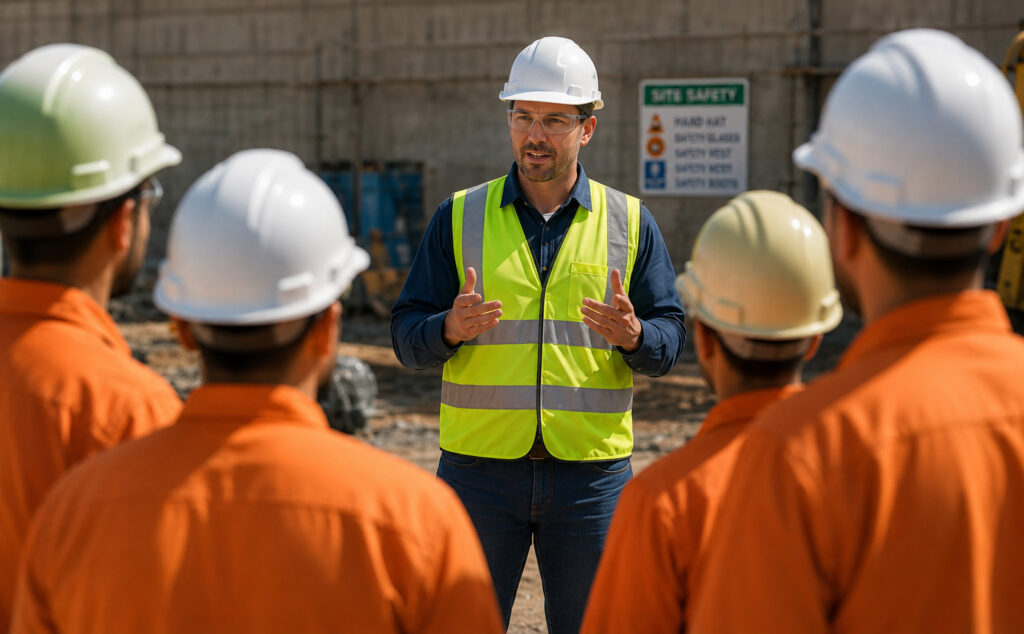
- Toolbox meetings
- Safety committees
- Hazard reporting systems
- Safety observations
- Risk assessment participation
Engaging workers in safety processes often leads to better outcomes and stronger safety ownership.
Emergency Preparedness and Response
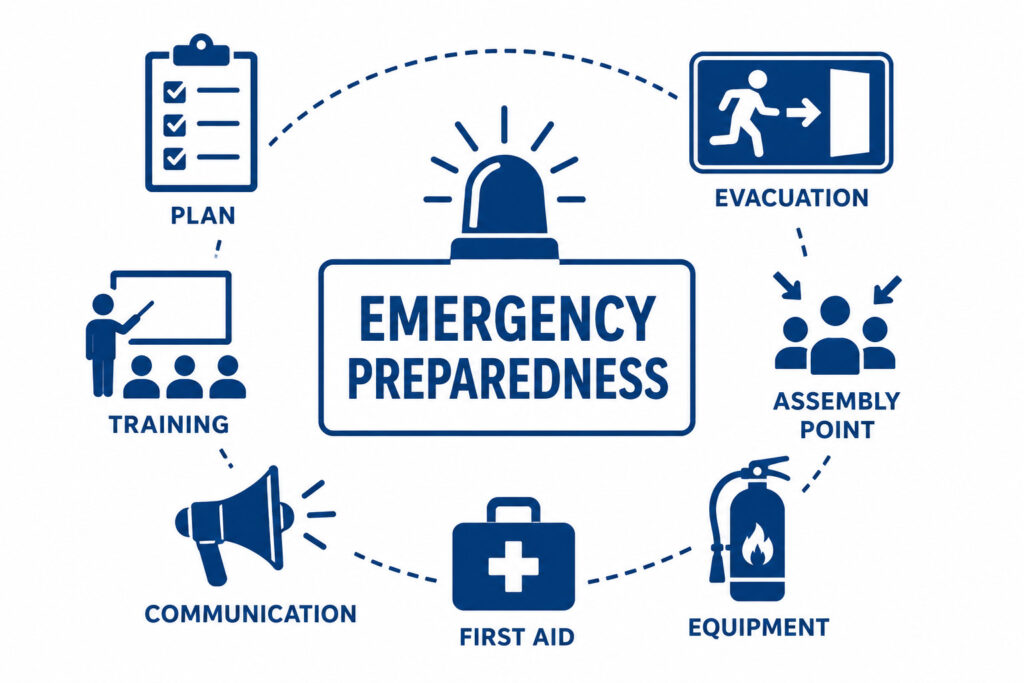
Every workplace should be prepared to respond effectively to emergencies.
Potential emergencies may include:
- Fire
- Medical emergencies
- Chemical spills
- Equipment failures
- Natural disasters
- Workplace violence
- Confined space incidents
Emergency planning should include procedures, training, emergency equipment and regular drills to ensure workers know how to respond when incidents occur.
Workplace Inspections and Audits
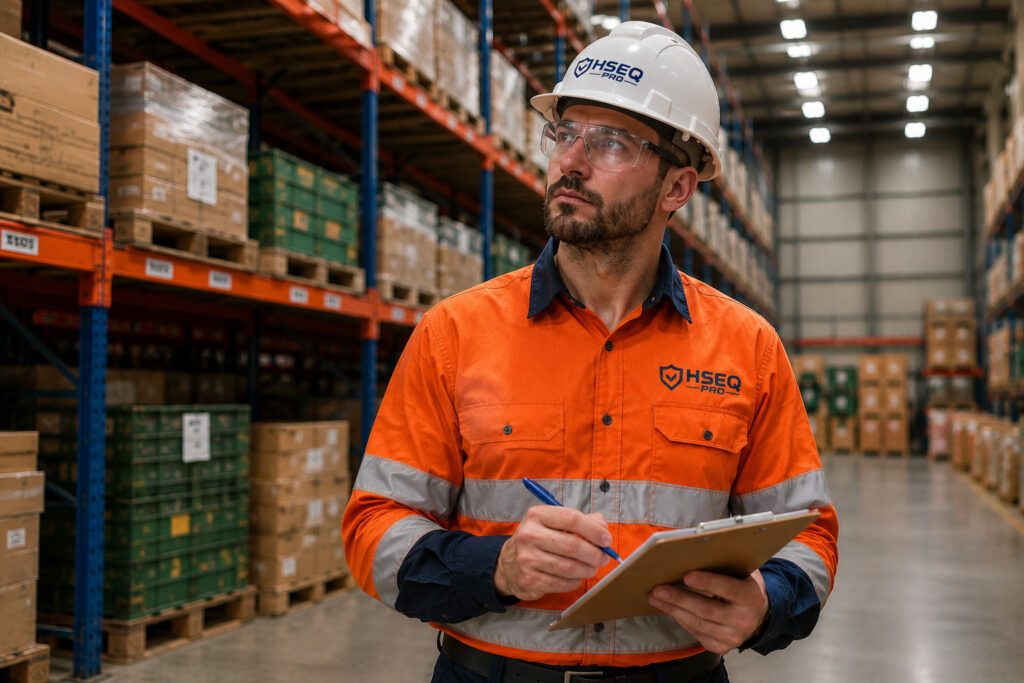
Regular inspections and audits help organisations identify hazards and verify that controls remain effective.
Inspections may focus on:
- Physical work areas
- Equipment and machinery
- Housekeeping standards
- Safety documentation
- Compliance requirements
Audits provide a broader review of safety management systems and help identify opportunities for improvement.
Personal Protective Equipment (PPE)
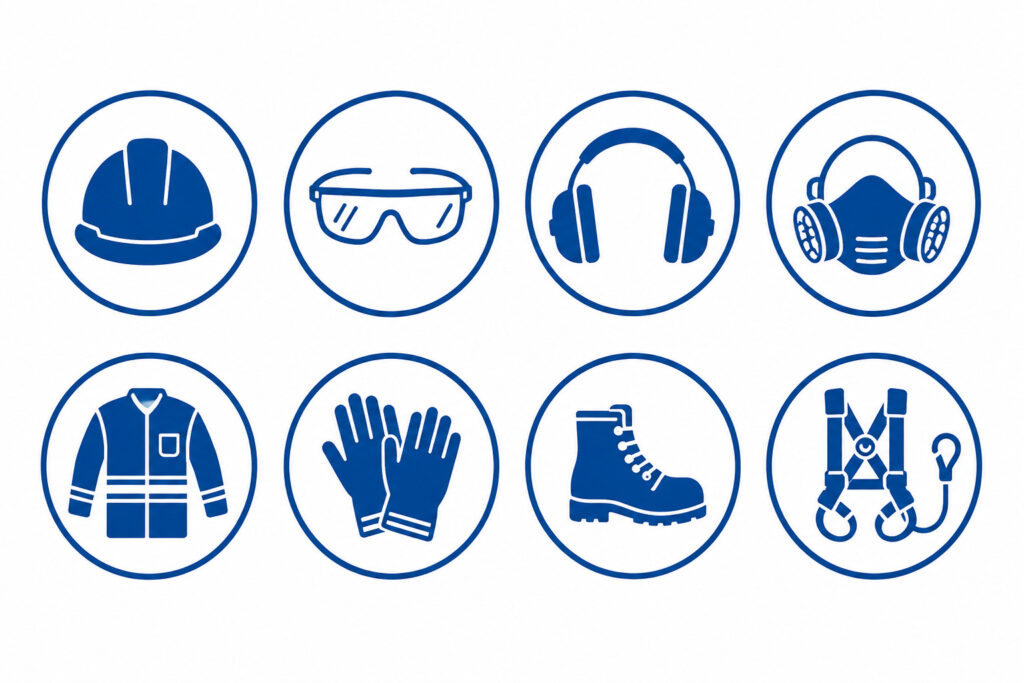
Personal Protective Equipment provides protection when hazards cannot be eliminated or adequately controlled through higher-level measures.
Common PPE includes:
- Hard hats
- Safety glasses
- Hearing protection
- Respiratory protection
- Protective clothing
- Gloves
- Safety footwear
- Fall arrest equipment
PPE should always be selected, maintained and used appropriately to ensure effective protection.
Continuous Improvement
Safety management is an ongoing process that requires regular review and improvement.
Continuous improvement involves:
- Monitoring safety performance
- Reviewing incidents and trends
- Updating procedures
- Evaluating controls
- Learning from audits and inspections
- Implementing corrective actions
Organisations that continually improve their safety systems are better positioned to prevent incidents and achieve positive safety outcomes.
Best Practice Workplace Safety Checklist
Effective workplace safety management typically includes:
✓ Hazard identification processes
✓ Risk assessments and control measures
✓ Safe work procedures
✓ Worker training and competency programs
✓ Incident reporting and investigation
✓ Emergency preparedness and response plans
✓ Workplace inspections and audits
✓ Consultation and worker participation
✓ Appropriate PPE management
✓ Continuous improvement activities

Safety doesn’t happen by accident.
Frequently Asked Questions
What is workplace safety?
Workplace safety involves identifying hazards, assessing risks and implementing controls to prevent injury, illness and harm.
What is a hazard?
A hazard is anything that has the potential to cause injury, illness, damage or harm.
What is a risk assessment?
A risk assessment is a process used to evaluate workplace hazards, determine risk levels and identify appropriate control measures.
Why is the hierarchy of control important?
The hierarchy of control helps organisations select the most effective measures for managing workplace risks, prioritising elimination and higher-level controls wherever possible.
Why should incidents be reported?
Reporting incidents helps organisations identify causes, improve controls and prevent similar events from occurring in the future.
Who is responsible for workplace safety?
Workplace safety is a shared responsibility involving employers, workers, supervisors, contractors and other workplace stakeholders.
KEY TAKEAWAYS
- Safety starts with identifying and controlling workplace risks.
- Effective risk management helps prevent injuries and incidents.
- The Hierarchy of Controls should guide risk control decisions.
- Training, communication and consultation are critical to workplace safety.
- Emergency preparedness supports effective incident response.
- Strong safety cultures create safer, healthier and more productive workplaces.
Safety is not just about compliance—it’s about protecting people and ensuring everyone returns home safely.